What is a Noticeboard? A Comprehensive Guide
Noticeboards are simple yet powerful tools that help you share messages, reminders, announcements, and important information. Often found in homes, offices, schools, and community centres, noticeboards keep everyone informed and organised.
In this guide, you'll discover why noticeboards are so useful, the different types available, and how to choose one that best suits your needs. You’ll also get practical advice on what to display on your noticeboard, how to keep it organised, and tips to ensure it remains effective and attractive.
Read on to find out how a noticeboard can make communication clearer and life easier, wherever you decide to use one.
What is a Noticeboard?
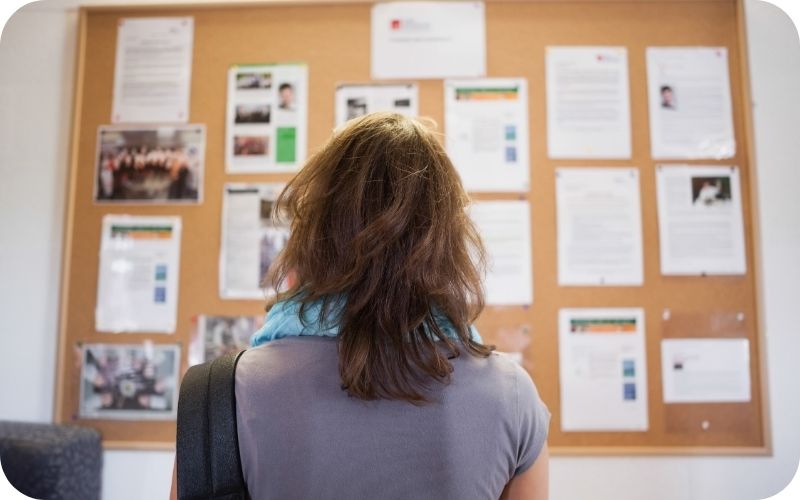
A noticeboard (also called a bulletin board or pin board) is a surface designed for posting messages, notices, and reminders. It is usually found in workplaces, schools, homes, or community spaces.
Noticeboards help people share important information in a clear, organised way.
They are usually made from materials like cork, felt, or fabric, making it easy to pin notices securely. Some noticeboards have magnetic surfaces instead of pins, allowing items to attach with magnets.
Noticeboards come in various forms, such as:
- Framed noticeboards - boards with wooden, aluminium, or plastic borders.
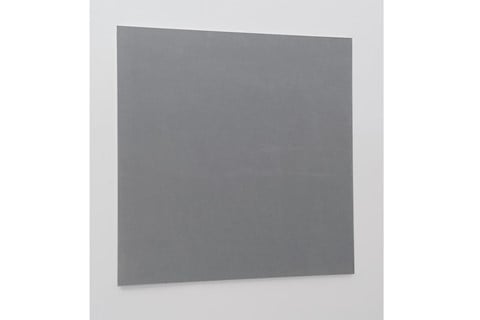
- Frameless noticeboards - simple boards without a visible frame for a minimalist appearance.
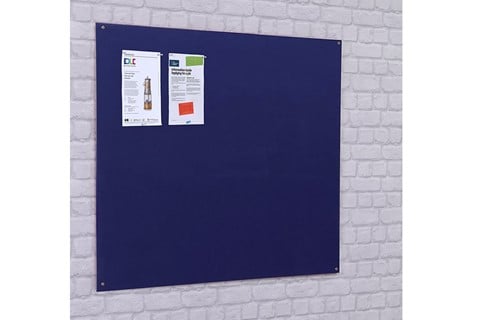
- Wall-mounted noticeboards - fixed directly to walls.
- Freestanding noticeboards - supported by their own stands, useful when wall-mounting isn't possible.
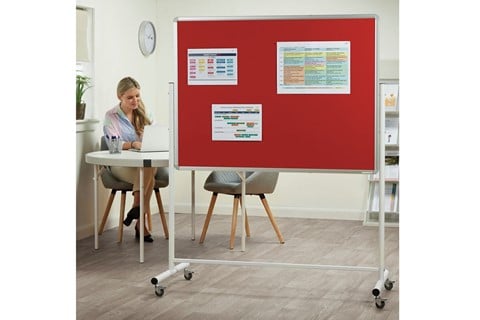
- Mobile noticeboards - noticeboards mounted on wheels, allowing easy relocation.
Choosing the right noticeboard depends on factors such as size, material, usage, and appearance.
Why Are Noticeboards Important?
Noticeboards play a key role in clear and effective communication. They help keep important messages visible, making sure people don't miss essential information.
Here are several reasons why noticeboards are important:
Enhancing Communication
Noticeboards make information easily accessible. Messages like announcements, schedules, or events become visible to everyone. This visibility reduces confusion and keeps people informed.
Improving Organisation and Productivity
By placing reminders, tasks, or checklists on a noticeboard, it becomes simpler to stay organised. Noticeboards keep information structured, making it easier to manage daily activities. This clarity boosts productivity at work or home.
Encouraging Collaboration and Engagement
In offices, schools, or community centres, noticeboards act as focal points. They allow teams or groups to share ideas, updates, and feedback. A shared noticeboard creates opportunities for collaboration and encourages interaction.
Creating Visibility for Important Information
Noticeboards put essential information in a common space. For instance, health and safety guidelines, emergency procedures, or urgent announcements remain clearly visible. This helps maintain awareness and ensures compliance.
In short, noticeboards aren't just practical—they significantly improve how effectively people share and receive important information.
What to Put on a Noticeboard
Choosing what to put on a noticeboard depends on where it's placed and who uses it. Below are examples of suitable content for different settings.

In the Workplace or Office
In offices, noticeboards help keep teams informed and engaged. Useful items include:
- Company announcements (events, policy changes, updates)
- Meeting schedules
- Employee achievements or recognition awards
- Health and safety notices
- Important deadlines
- Team-building activities
At Home
A noticeboard at home can help families stay organised. Consider including:
- Shopping lists and meal plans
- Appointment reminders (doctor, dentist, school meetings)
- Children’s school schedules
- Chore rotas
- Inspirational quotes or family photos
In Schools and Educational Settings
Schools frequently use noticeboards to communicate with students and staff. Suitable content includes:
- Class timetables
- Exam schedules and revision tips
- Extracurricular activity details
- Student achievements and awards
- School rules and guidelines
- Health and wellbeing advice
In Community Centres and Public Areas
Public noticeboards are ideal for sharing local news, events, and helpful resources. Common postings include:
- Community events (fairs, charity drives, festivals)
- Local business advertisements
- Public health information
- Job vacancies and volunteer opportunities
- Lost-and-found notices
Keep your noticeboard neat and up-to-date. Regularly refresh content to maintain interest and ensure relevant information stays visible.
Types of Noticeboards
Noticeboards come in many styles, materials, and formats. Choosing the right type depends on your space, intended use, and personal preference.
Here’s a breakdown of the most common varieties:
By Frame Type
Framed Noticeboards
Framed noticeboards typically have borders made from wood, aluminium, or plastic. Frames add strength and improve visual appearance, making these noticeboards suitable for professional environments.
Frameless Noticeboards
Frameless noticeboards offer a clean, minimalistic look. They blend seamlessly into modern interiors and can often be mounted side-by-side for extended surfaces.
By Installation
Wall-Mounted Noticeboards
These are directly fixed onto walls, making them ideal for permanent use in classrooms, offices, or homes. They maximise space and provide a stable posting area.
Freestanding Noticeboards
Freestanding noticeboards come with their own support structure, such as stands or legs. They're useful when wall-mounting isn't practical, for instance in open-plan offices or exhibition areas.
Mobile Noticeboards
Mounted on wheels, mobile noticeboards allow easy repositioning. They’re popular in flexible workspaces, classrooms, or presentation areas.
By Material
Noticeboards are available in various surface materials suited to different applications:
|
Material
|
Advantages
|
Common Uses
|
|
Cork
|
Durable, self-healing, pins easily
|
Offices, homes, classrooms
|
|
Felt
|
Soft surface, visually appealing colours
|
Schools, offices, creative spaces
|
|
Fabric
|
Stylish, customisable, suitable for pins
|
Offices, homes, boardrooms
|
|
Magnetic
|
Easy attachment of items with magnets
|
Offices, kitchens, schools
|
|
Combination
|
Mixed surfaces (e.g., cork & magnetic whiteboard)
|
Multi-functional spaces like meeting rooms
|
Choosing the right noticeboard involves balancing function, appearance, and practicality. Consider your available space, desired aesthetic, and how you plan to use the board before making your decision.
Maintaining Your Noticeboard
Proper maintenance ensures your noticeboard remains attractive, functional, and effective for a long time. Regular care and simple practices help prolong its lifespan.
Keep Your Noticeboard Organised
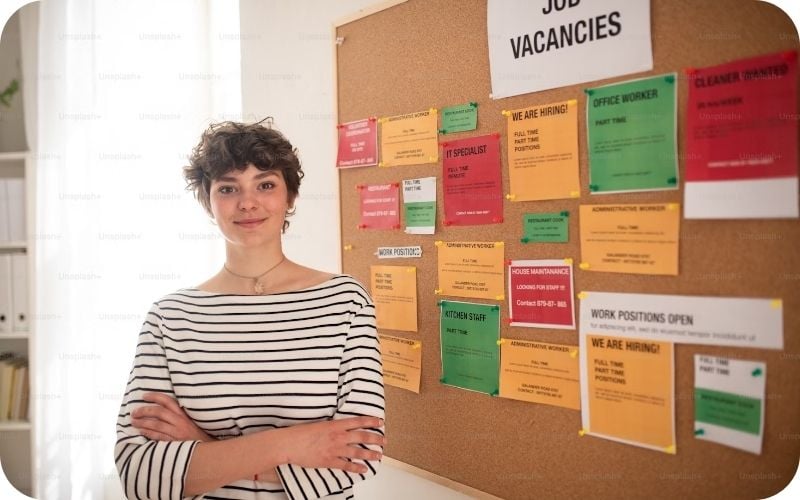
Noticeboards work best when tidy and clearly organised. Remove outdated or irrelevant notices promptly to avoid clutter. Regularly reorganise items to ensure key messages remain clearly visible. Consider categorising content into clear sections to improve readability and usability.
Regular Cleaning and Care
Clean your noticeboard occasionally to maintain a neat appearance. A gentle wipe with a soft, dry cloth removes dust and debris. For fabric or felt surfaces, use a lint roller to quickly remove dust and small fibres.
Cork boards benefit from gentle vacuuming using a soft brush attachment to remove dust that settles into pinholes. Avoid harsh chemicals or abrasive cleaners, as they can damage the surface.
Dealing with Damage and Marks
If marks or stains appear, carefully spot-clean the affected area using a lightly damp cloth. For persistent marks, use a mild soap solution sparingly. Allow the surface to dry completely before using it again.
Check regularly for damage such as worn areas, loosened edges, or bent pins. Repair minor issues promptly to avoid worsening over time.
When to Replace Your Noticeboard
A well-maintained noticeboard can last for years. However, consider replacing it if it becomes significantly worn, damaged, or difficult to use. Frequent loose pins, surface deterioration, or a faded appearance may indicate it’s time for a replacement.
Regular care keeps your noticeboard useful and presentable, making it an effective communication tool for years to come.
Choosing the Right Noticeboard
Selecting the right noticeboard ensures it fits your needs, complements your space, and remains practical for everyday use. Consider several factors before making your choice.
ChairOffice's Best Selling Noticeboards